







Search Results for: climate adaptability
Starbucks Acquires Two More Coffee Estates, Betting on Climate-Resistant Hybrid Varieties and Global Supply Chain
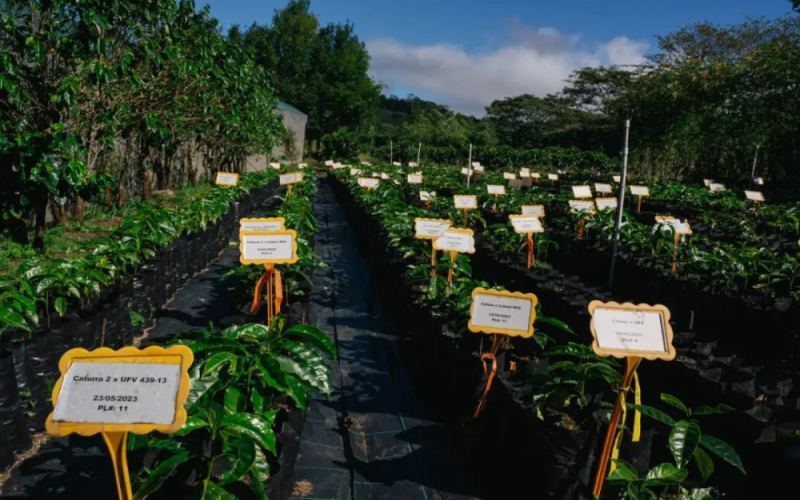
In the face of the ongoing impact of rising global temperatures and frequent extreme weather on coffee cultivation, Starbucks has announced that it will invest in a new farm in each of Costa Rica and Guatemala to strengthen the climate resilience of its coffee supply chain. In recent years, frost and drought in Brazil have caused Arabica bean prices to soar, and coffee consumer prices have risen 18% within five years. As a buyer of about 3% of the world's coffee beans, Starbucks is using its own farms to research high-yield, disease-resistant hybrid varieties adapted to different altitudes and soils. The new farms will also introduce drones and mechanized technology to address labor shortages in Latin America, and the company plans to continue expanding its agricultural footprint in Africa and Asia in the future. [more…]
Costa Rica exports its first batch of deforestation-free certified coffee to the EU, with 275 bags of beans from the Tarrazú cooperative shipped to Italy
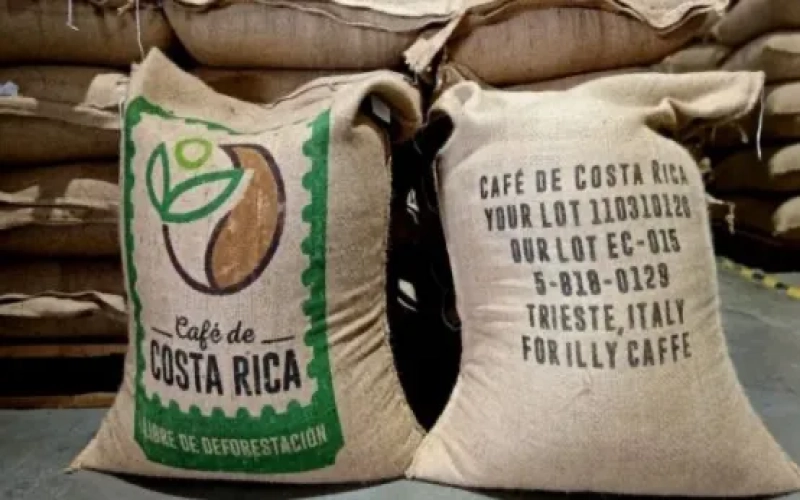
After the EU Deforestation Regulation (EUDR) took effect, Costa Rica responded swiftly, launching its first batch of coffee beans compliant with EUDR standards. This batch, totaling 275 bags of 60 kg each, comes from the Tarrazú cooperative, has been successfully sold, and will be shipped to Italy. The initiative, jointly driven by the United Nations Development Programme and the Costa Rican Coffee Institute, is seen as a key step for the country to adapt to climate change and secure its European market. Facing the dual pressures of declining production and competition from neighboring Central American countries, Costa Rica is seeking to boost its industry's competitiveness through green certification. Front Street Coffee continues to follow developments in global coffee-producing regions, bringing first-hand information to enthusiasts. [more…]
Panama Climate Change Warning: Rainfall to Decrease and Temperatures to Rise by 2050, Coffee and Other Agricultural Exports Face Challenges
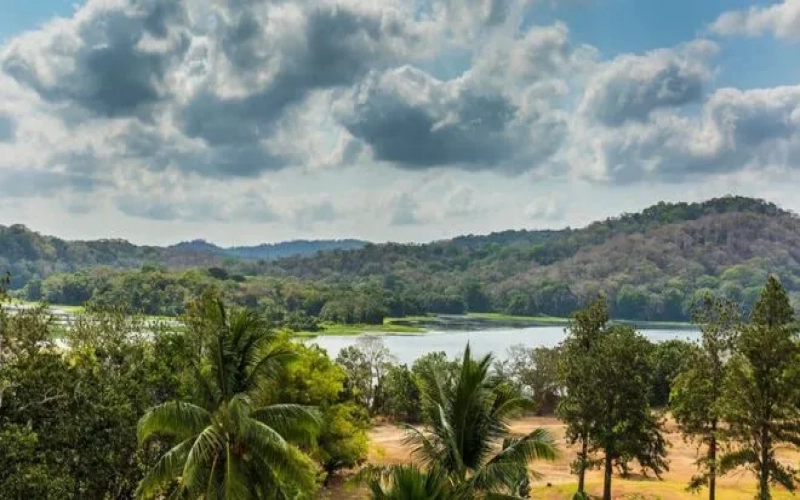
Panama's National Adaptation Plan (NAP) project recently released a report that, using global models and nearly 30 years of meteorological data, simulated the country's climate trajectory for 2050 to 2070. The results show that reduced rainfall and rising temperatures will directly impact Panama's agricultural production, especially the cultivation and trade of export crops such as coffee and bananas. At the same time, shipping through the Panama Canal and hydroelectric power generation will also face greater pressure due to drought. This article will walk you through the report's core findings and their potential impact on the coffee industry. [more…]
How Does Climate Change Impact Assam Tea Gardens? Micro-Level Yield Data Reveals the Critical Influence of Short-Term Weather Fluctuations
Assam is the world's largest tea-producing region, contributing one-fifth of global output and half of India's tea, and supporting about 1.2 million workers. Yet disruptions to rainfall and temperature patterns are putting this land under growing pressure—droughts in Africa, intense rainfall erosion in India, and the accelerating melting of Himalayan glaciers are all sounding alarms at the macro level. But what truly affects each tea leaf is often a more micro-level climate variable. A study based on 82 tea gardens spanning 2004 to 2013 reveals how short-term weather fluctuations directly influence yields. This article will walk you through these findings and what adaptive measures tea gardens can take. Front Street Coffee has always paid attention to the long-term impact of climate change in producing regions on the flavor in the cup. [more…]
Why Are Coffee Processing Methods Becoming Increasingly Diverse? The Evolutionary Logic from Origin Adaptation to Flavor Exploration
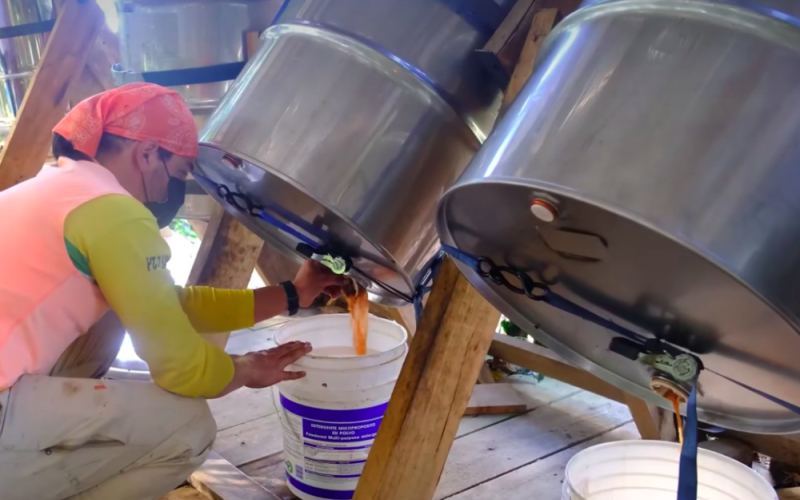
Nowadays, the names of coffee processing methods are becoming more and more varied, from anaerobic natural to low-temperature slow anaerobic washed, from black honey and red honey to enzyme washed, making one dazzled. Behind this complexity, there are actually two main threads: the birth of early processing methods was the result of the producing region's environment forcing it—for example, Indonesia's humid and rainy climate gave rise to washed and wet-hulled methods; while the evolution of contemporary processing methods stems from the consumer market's dual pursuit of flavor expression and traceability information. This article will sort out the evolution from natural, washed to honey processing and anaerobic fermentation, analyze how different processing techniques affect coffee flavor, and reveal the deeper reasons behind the increasingly refined naming of processing methods. [more…]

An Analysis of Kenya's Ruiru 11 Coffee Variety: The Breeding Journey Behind Disease Resistance and High Yield, and the Flavor Controversy
Kenyan coffee has long been famous for the SL series of varieties, but although SL varieties are outstanding in quality, they are extremely vulnerable to pests and diseases. To address this dilemma, the Kenyan coffee industry began promoting new varieties that combine disease resistance with climate adaptability, and Ruiru 11 is one of the representatives. This variety, officially released in 1985, has what kind of breeding story behind it? Why is it welcomed by farmers, yet also triggers quality controversy? This article will give you a comprehensive understanding of the background of Ruiru 11's creation, its varietal characteristics, cultivation advantages, and the challenges it currently faces. If you are interested in Kenyan coffee, Front Street Coffee also has related beans available for tasting. [more…]
The Trend of Patenting Coffee Varieties Emerges: What Kind of Impact and Transformation Will Global Coffee Farmers Face?
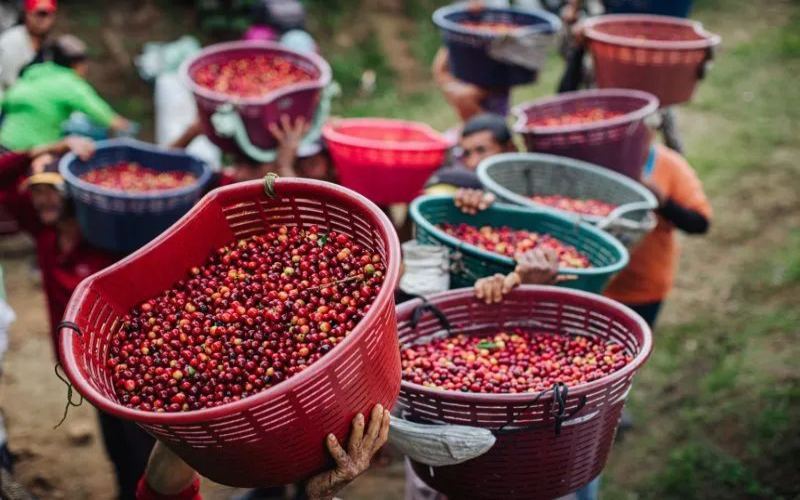
Climate change, the spread of pests and diseases, deforestation, and continuously rising temperatures are posing severe challenges to global coffee production capacity. Some studies predict that by 2050, both the suitable cultivation areas and suitability levels of the world's top five coffee-producing countries will decline. To address this situation, many countries have established dedicated coffee research institutions, and multinational companies such as Starbucks and Nestlé have also set up their own R&D teams, committed to breeding new varieties with higher yields, better quality, stronger disease resistance, and adaptability to different environments. However, when variety research and development results led by private capital enter the market, the boundary issues of intellectual property and patent protection come to the surface. There are already precedents for plant patents, and Monsanto's genetically modified seed rights protection case is even more sobering. If coffee varieties are patented, what fate will small farmers and growers face? Front Street Coffee will continue to follow this issue. [more…]
A Complete Guide to Costa Rica's Coffee Regions: From History and Varieties to Seven Elevation-Based Grades
Why has Costa Rican coffee secured a place for itself on the global specialty coffee map? This article begins with the geography and history of its producing regions, tracing how the volcanic soil and climate conditions of this Central American country shape Arabica beans with bright acidity and balanced flavor. The article will also introduce the characteristics of major cultivated varieties such as Bourbon, Caturra, and Catuai, especially Caturra's performance in adaptability and productivity. Finally, we provide a detailed explanation of Costa Rica's unique coffee bean grading system—divided into seven grades including SHB, HB, and SH based entirely on coffee farm elevation—helping enthusiasts quickly understand the meaning of the abbreviations on bean bags and the quality they indicate. [more…]
Both Are Typica-Growing Countries: An Analysis of the Differences Between Jamaican Blue Mountain Coffee and Papua New Guinea Coffee
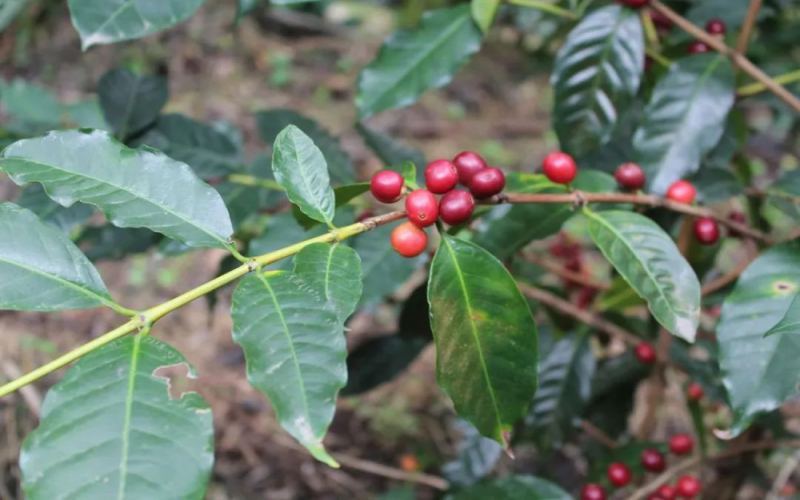
Typica is a variety of paramount genetic importance among Arabicas, known for its outstanding quality, yet it suffers from low yields and weak disease resistance. Jamaica and Papua New Guinea are both Typica-growing countries, and their coffees are often compared; Papua New Guinea coffee is even nicknamed "Little Blue Mountain." This article examines the similarities and differences between Jamaican Blue Mountain coffee and Papua New Guinea coffee from the perspectives of varietal history, island-type growing region environments, grading standards, and flavor profiles, and introduces the flavor characteristics of related products on Front Street Coffee's bean list, helping coffee enthusiasts gain a clearer understanding of the coffee characteristics of these two origins. [more…]
Exploring Ethiopia Yirgacheffe: The Flavor Code and Full Harvest Picture of a High-Altitude Wet Production Region
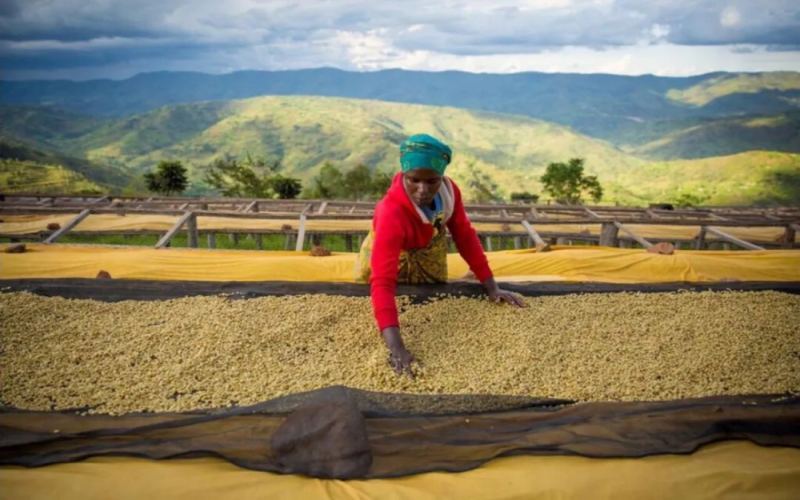
Yirgacheffe is Ethiopia's most iconic specialty coffee region, located on a highland plateau at an altitude of 1,700 to 2,100 meters, renowned worldwide for its distinctive floral and fruity aromas and bright acidity. This ancient area, known as the "wetland," is shrouded in mist year-round with a mild, humid climate, giving rise to numerous native coffee varieties. Front Street Yirgacheffe, as a classic representative of this region, has become a preferred choice for entry-level specialty coffee with its low bitterness, refreshing taste, and adaptability to multiple brewing devices. This article will guide you through an in-depth understanding of Yirgacheffe's geographical environment, historical context, harvesting patterns, and flavor characteristics, unveiling the story behind how this small town became a coffee legend. [more…]
The Specialty Coffee World Reexamines Robusta: Can High-Altitude Cultivation and Anaerobic Processing Rewrite Entrenched Impressions?
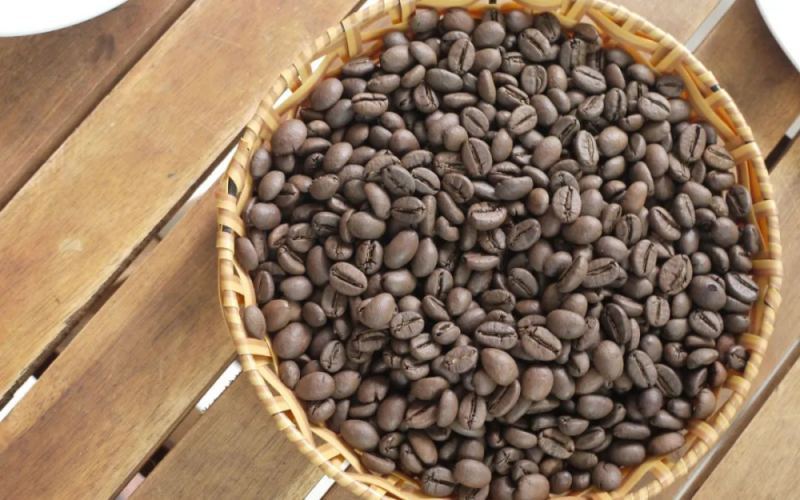
For a long time, Robusta coffee beans have been largely neglected in the specialty coffee world, often associated with low altitudes, extensive farming, and bitter flavors. However, over the past two years, this situation has been quietly changing. From a World Barista Championship competitor using high-altitude Vietnamese Robusta blended with Geisha to place fourth, to more and more specialty coffee shops incorporating it into espresso blends or even launching single-origin anaerobic natural products, Robusta is returning to the industry's spotlight with a brand-new image. Climate change poses severe challenges to Arabica cultivation, while Robusta, with its strong environmental adaptability—combined with producers cultivating and processing it to specialty Arabica standards—reveals surprising flavor layers such as barley tea, nuts, caramel, and even fermented fruit notes on a base of high body and low acidity. This article will explore in depth the reasons behind this trend, the details of processing methods, and whether Robusta can truly shed its old label and win renewed recognition from coffee enthusiasts. [more…]
The Rise of Robusta Coffee Under Climate Change: New Global Industry Trends and Refined Development
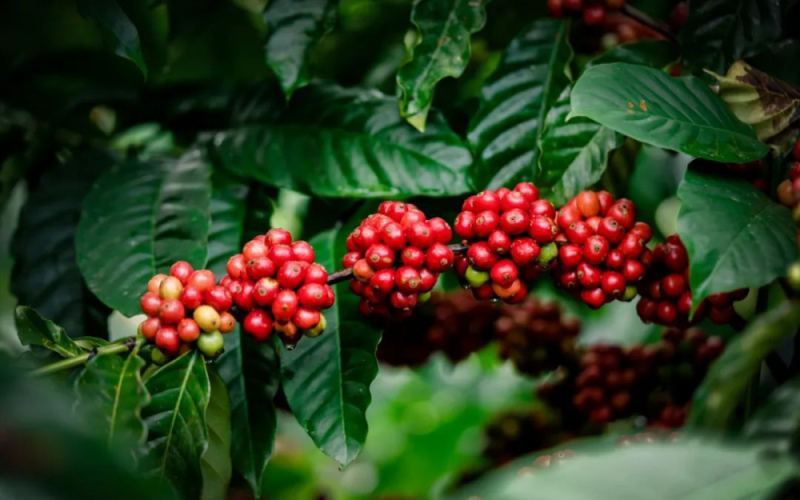
In recent years, global warming has posed a severe challenge to the coffee-growing industry, and Arabica coffee faces the risk of reduced yields due to its demanding growing requirements. At the same time, Robusta, with its stronger climate adaptability and resistance to pests and diseases, is gradually transforming from a "commercial bean" into a "fine coffee." Major producing countries such as Vietnam, Brazil, and Indonesia continue to expand Robusta production, while emerging origins such as Nicaragua have also begun to experiment with cultivation. Front Street Coffee is paying attention to this trend and invites you to learn how Robusta is playing an increasingly important role in the global coffee landscape. [more…]

Global warming breaches the 1.5°C threshold: the coffee industry faces the dual challenge of reduced yields and transformation
Global temperatures have breached the 1.5°C threshold above pre-industrial levels for the first time, and this shift is profoundly shaking the foundations of the coffee industry. Arabica beans account for about 60% of global production but are extremely sensitive to climate conditions. The droughts, hail, and diseases brought by continued warming have already caused two consecutive years of supply falling short of demand. Some experts warn that if the warming trend continues and reaches 2.5°C by the end of this century, most coffee-growing regions may disappear. In the face of the crisis, Starbucks, Colombian research institutions, and a growing number of producing countries are seeking a way forward by cultivating new varieties and reassessing the value of Robusta. Front Street Coffee will also continue to monitor the far-reaching impact of climate change on coffee flavor and the supply chain. [more…]
Costa Rica plans to meet the EU market and launch "deforestation-free coffee".
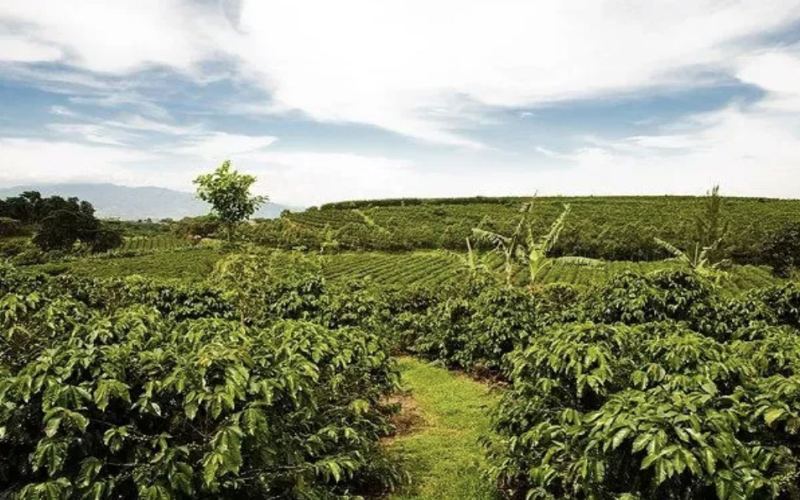
Recently, according to reports from Elmundo in Costa Rica, Costa Rica launched the first batch of "deforestation-free coffee". This batch of coffee beans was harvested after December 2020, ensuring that no forests were cut down to expand the planting [more…]
Climate change hits Costa Rica's coffee industry: drought causes production decline, export and employment face chain pressure
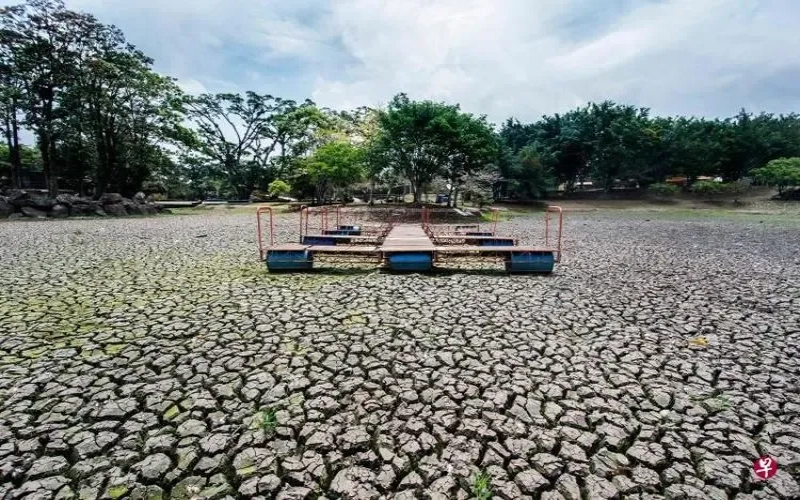
Costa Rica has long ranked among the world's leading coffee producers and exporters, thanks to its volcanic soil, mild climate, and abundant rainfall. In recent years, however, persistent high temperatures and drought have been eroding its growing environment. In the Desamparados canton, a key production area in the Central Valley, some estates have seen yields fall by as much as 15%, and production for the 2024/25 harvest season is expected to drop 18% from the previous season. With water shortages during the flowering period, greater susceptibility to disease, aging trees, and labor shortages piling up, export volumes and foreign exchange earnings are coming under pressure. Faced with these challenges, the government has launched a low-carbon coffee program, while research institutions are promoting drought-resistant varieties and adaptive farming methods in an effort to cushion the impact of climate change. [more…]
Analysis of Bourbon Family Derivatives: Flavor Comparison of Pacamara, Caturra, Catuai, and Sachimo
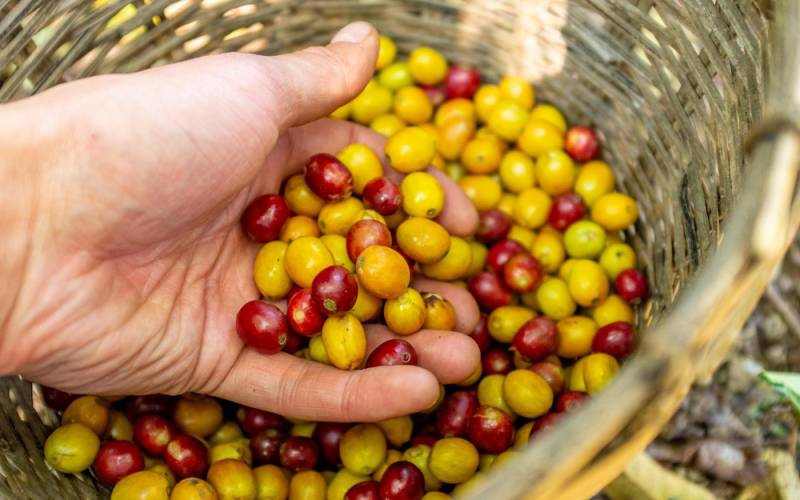
Bourbon is one of the most important varieties in coffee history, originating from a mutation of Typica. It was named after being introduced from Yemen to Bourbon Island, and subsequently spread to Brazil, Central and South America, and the island of St. Helena, becoming a consistent winner in cupping competitions for specialty coffee in the Americas. Its green fruit turns bright red when ripe, and it has broad leaves and dense growth. Although it produces a crop every two years with low yield, it possesses a wine-like acidity and a sweet aftertaste. This article, brought to you by Front Street Coffee, introduces four Bourbon-derived or related varieties: Pacamara, Caturra, Catuai, and Sarchimor, systematically covering their origins, plant characteristics, adaptability, and cup profiles. Combined with the performance of specific origins such as Guatemala Borsa, Colombia Cauca, Honduras Sweet Orange Estate, and Costa Rica Monte Soleil, it helps coffee enthusiasts understand how varieties profoundly influence the flavor direction of a cup of coffee. [more…]
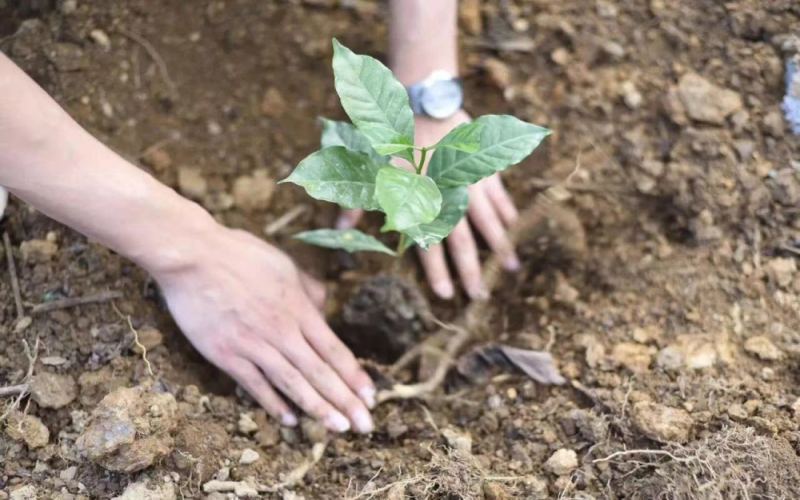
The Cultivation Origins of Geisha Coffee at Zuoyuan in Baoshan, Yunnan, and an Analysis of the Flavor Characteristics of Yunnan Arabica Coffee
Although the cultivation history of Yunnan Geisha coffee is not particularly long, it has taken root and grown in Zuoyuan in the Baoshan production area, becoming a bright spot in China's specialty coffee sector. The Geisha variety traveled from the primitive forests of Ethiopia to high-altitude estates in Panama, undergoing a long process of genetic adaptation and flavor transformation, and after being introduced to Yunnan, its flavor has taken on a different character due to differences in altitude, soil, and climate. This article will trace the spread of Geisha coffee, compare the flavor differences of Geisha from Ethiopia, Panama, and Yunnan, and specifically describe the plum acidity, berry-like sweet-tartness, black tea fermentation note, and nutty finish displayed by Yunnan Geisha coffee beans, giving you a comprehensive understanding of this variety's cultivation status and taste characteristics in Yunnan. For more specialty coffee bean information, you can follow the Coffee Workshop WeChat official account or add Front Street Coffee's personal WeChat for exchange. [more…]
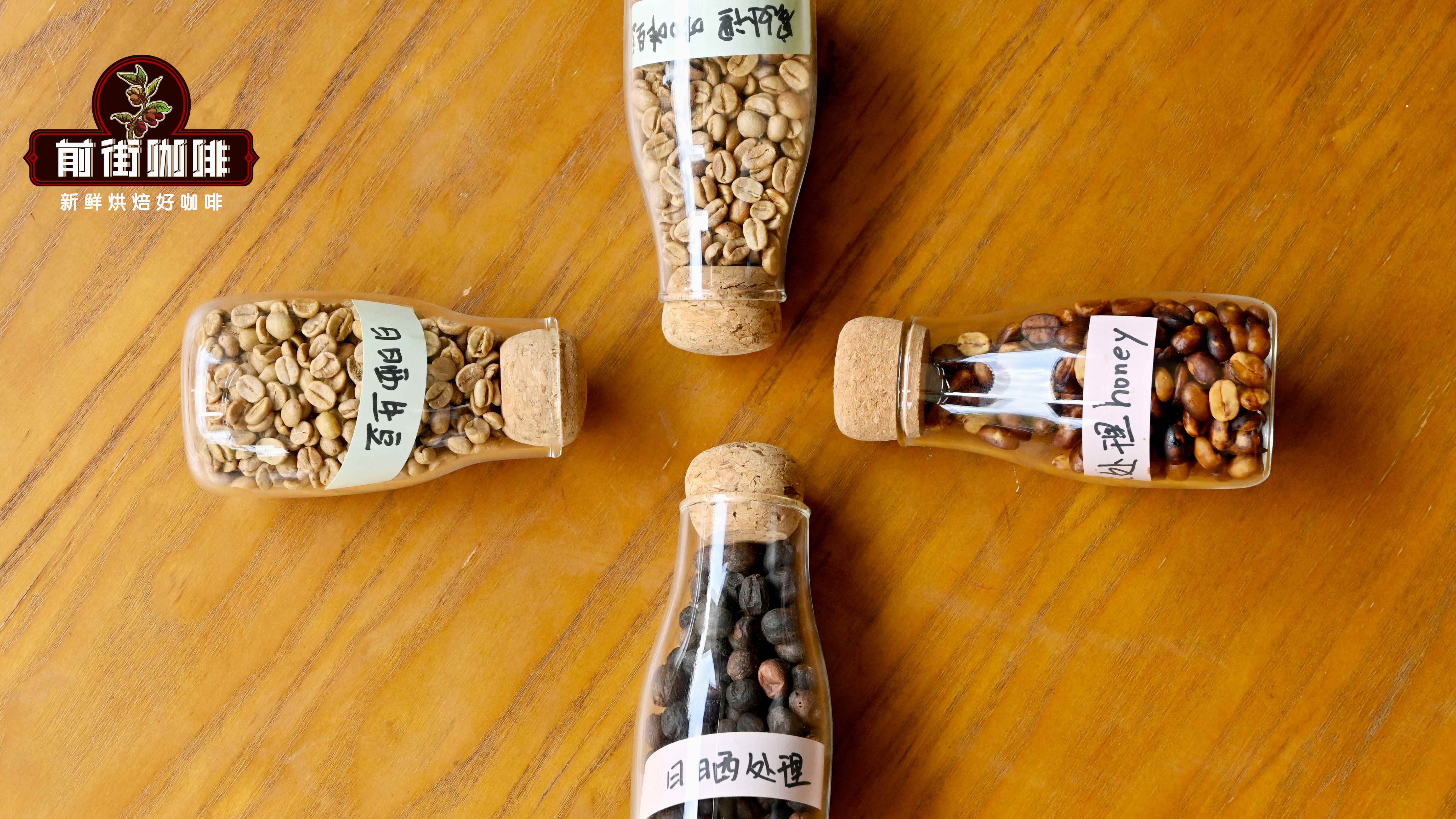
An Analysis of the Wet-Hulling Process of Indonesian Golden Mandheling: From Semi-Washed Processing to the Signature Goat-Hoof Bean Feature
The coffee processing method determines the flavor direction of green beans. Among the three major categories of natural, washed, and semi-washed, the Indonesian island of Sumatra, due to its year-round humid climate, developed a unique wet-hulling method—removing the parchment layer while the bean's moisture content is still as high as 30% to 35%, leaving the green beans exposed to continue drying. This locally adapted craft shortens the fermentation period and reduces acidity, yet enhances body, and gives Mandheling its "taste of place" woven with herbal, woody, and caramel notes. Front Street Golden Mandheling is precisely made using this method, undergoing three hand-sortings and one machine-sorting, resulting in an extremely low defect rate and a clean, pure taste. This article will detail the seven steps of the wet-hulling method and explain why the distinctive "sheep-hoof" appearance of wet-hulled beans should not be considered a defect. [more…]
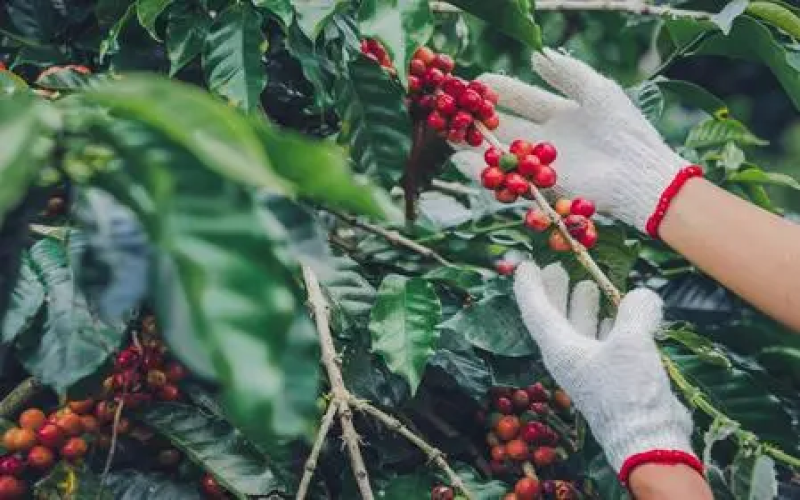
Philippine Coffee Industry Achieves Breakthrough: ACDI/VOCA Partners with WCR to Complete Five-Year Project, Legally Introduces New Arabica Varieties for the First Time
Recently, the five-year Philippine Coffee Advancement and Farm Enterprise (PhilCAFE) project, funded by the United States Department of Agriculture and implemented through a partnership between ACDI/VOCA and World Coffee Research (WCR), has officially concluded. Launched in 2019, the project aimed to improve coffee production and quality, empower farmers, and support the skills development of national researchers and producers. The project legally introduced new Arabica varieties to the Philippines for the first time, established 18 on-farm technical trials and 2 coffee variety trial sites, paving the way for innovation in the Philippine coffee industry. Front Street Coffee notes that this initiative is expected to help the Philippines cope with climate change-induced yield declines and provide farmers with more high-yielding, climate-resilient, and pest- and disease-resistant variety options. [more…]
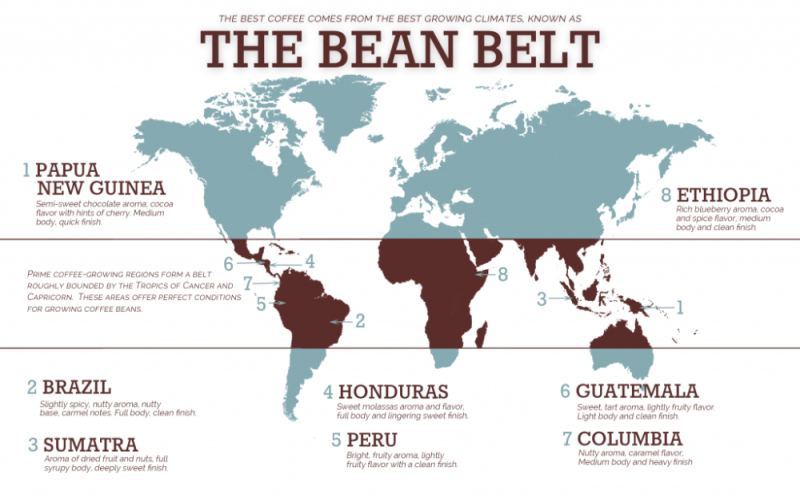
A Comprehensive Analysis of Arabica Coffee Beans: From Origins and Spread to Front Street Coffee's Seven Major Producing Regions' Daily Staple Bean Recommendations
Arabica coffee beans have always held a core position in both commercial and specialty coffee thanks to their outstanding aroma and acidity. Their cultivation span stretches across multiple producing regions in South America, Central America, Africa, and Asia. Tracing their history, they were first used as medicine by Islamic monks, and only in the 13th century did the practice of roasting them for drinking develop. After spreading to Europe via the Arab world in the 16th century, they gradually became popular worldwide. Arabica coffee began spreading around the world from the mid-18th century, and most existing varieties originate from Typica, evolving into distinctive new varieties as they adapted to different climates and terroirs. In the 19th century, a large-scale outbreak of leaf rust caused massive coffee tree deaths, prompting breeders in the mid-20th century to begin developing disease- and pest-resistant varieties. Today, the Arabica family has more than a hundred varieties. Altitude has a significant impact on flavor, and this article will also introduce seven daily-drinker beans from key producing regions selected by Front Street Coffee. [more…]